
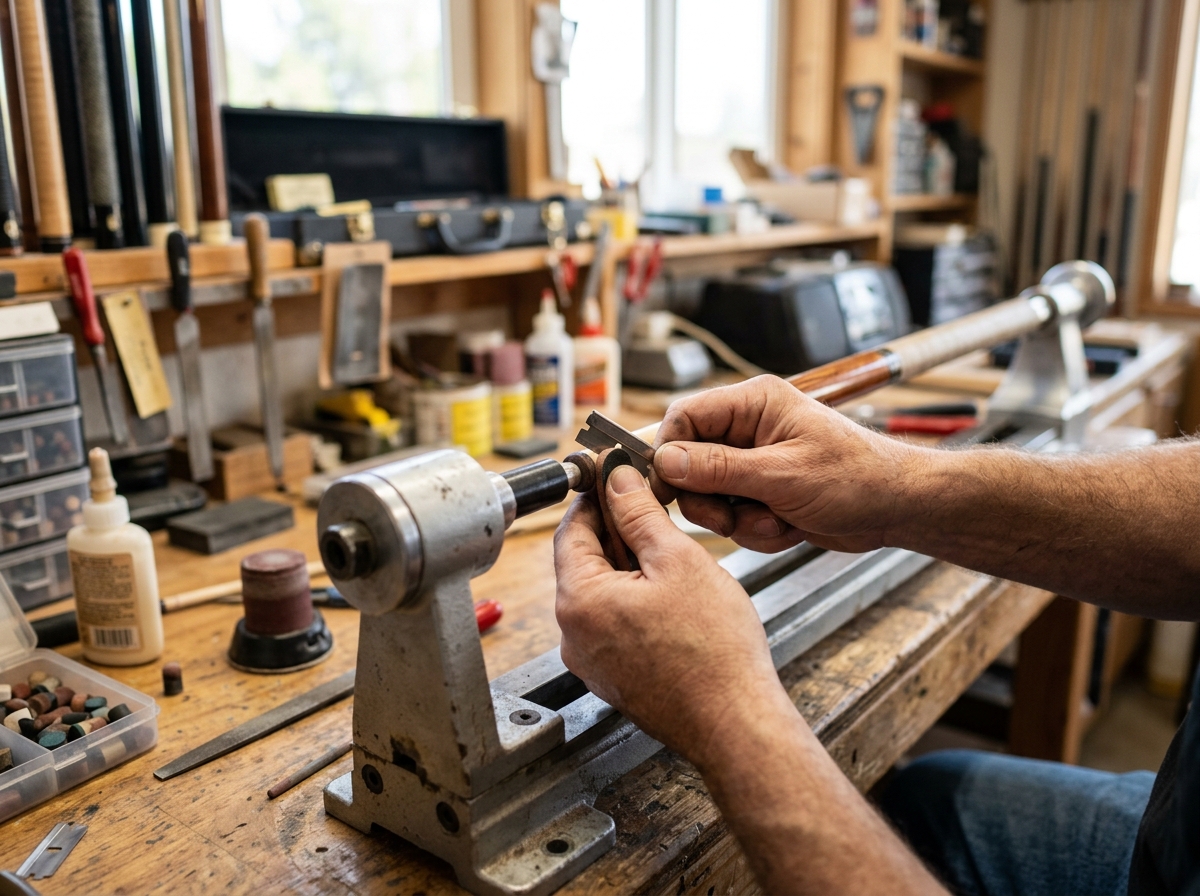
Complete Guide to Pool Cue Repair & Retipping in Ceres, CA
Your pool cue is more than just equipment, it's an extension of your game. Whether you're a casual player or a serious competitor, maintaining your cue in top condition directly impacts your performance on the table. Pool cue repair and retipping are essential services that keep your stick playing like new, but many players don't know when they need these services or what's involved in the process. At NORCAL BILLIARDS in Ceres, we've been helping players throughout the NorCal region care for their cues for years. This guide covers everything you need to know about pool cue repair and retipping, from identifying when your cue needs service to understanding the different types of repairs available.
Understanding Pool Cue Repair and Retipping Basics
Pool cue repair encompasses several different types of maintenance and restoration work. Retipping is one of the most common services, involving the removal of a worn tip and replacement with a new one. The tip is the small piece of leather or composite material at the end of the cue that makes contact with the cue ball. Over time, this tip compresses, wears down, or becomes damaged, affecting your ability to control the ball and execute precise shots.
Beyond retipping, cue repair can include shaft straightening, joint repair, wrap replacement, and ferrule work. Each of these services addresses different issues that develop with regular use. Understanding what types of problems your cue might have is the first step toward getting it properly serviced.
When Your Pool Cue Needs Retipping
Several signs indicate that your cue is ready for a new tip. If you notice your tip is flat or mushroomed out at the edges, it's time for retipping. A worn tip won't hold chalk properly, leading to miscues and inconsistent shots. If you're experiencing more miscues than usual, your cue is probably telling you it needs attention.
The condition of your tip directly affects your game. A properly maintained tip allows for better spin control, more accurate aim, and cleaner contact with the cue ball. If you're playing regularly, expect to need retipping every 6 to 12 months depending on how often you play. Tournament players might need more frequent service.
Ferrule Replacement and Other Cue Repairs
Beyond retipping, Ferrule Replacement is another important service. The ferrule is the small ring at the base of the tip, typically made from plastic, bone, or ivory. Ferrules can crack, chip, or wear down, compromising the integrity of your cue. We offer Ferrule Replacement services to restore your cue's structure and appearance.
Other common repairs include shaft straightening for bent or warped shafts, joint repair for damage where the shaft meets the butt, and wrap replacement for worn leather or linen wraps. Some cues develop small cracks or splinters that need professional attention. At NORCAL BILLIARDS, our technicians assess your cue and recommend the repairs that will restore it to playing condition.
Types of Cue Tips Available
Not all tips are created equal. When you bring your cue in for retipping, you'll have options regarding the type and quality of tip material. Most tips are made from leather or composite materials, and they come in various hardness levels ranging from soft to hard.
Soft tips provide more grip on the cue ball, making them ideal for draw shots and controlled play. Hard tips last longer and are preferred by some players for their consistency. Medium-hardness tips offer a balance between durability and playability. Your playing style, skill level, and personal preference should guide your choice. Our team at NORCAL BILLIARDS can discuss these options with you and help you select the right tip for your game.
The diameter of the tip also matters. Standard tips are typically 12 to 14 millimeters in diameter. Specialty tips, including jump cues and break cues, have different specifications. When you bring your cue in, we'll measure and match your new tip to your cue's specifications.
The Retipping Process Explained
Understanding what happens during retipping helps you appreciate the craftsmanship involved. First, our technician removes the old tip by carefully heating and separating it from the ferrule. This step requires precision to avoid damaging the ferrule underneath.
Next, the ferrule surface is cleaned and prepared. Any remaining adhesive is removed, and the surface is shaped to ensure proper contact with the new tip. A new tip is then selected based on your specifications and attached using specialized adhesive designed to create a permanent bond.
After the adhesive sets, the tip is shaped to match your cue's specifications. This involves careful sanding and shaping to create the proper profile, whether you prefer a rounded, slightly rounded, or flat surface. The final step is chalking and testing to ensure the tip is ready for play.
Pool Cue Repair Services Available in Modesto, Turlock, and Stockton
NORCAL BILLIARDS serves the entire Northern California region, including Modesto, Turlock, and Stockton. Whether you're playing in a local pool hall or hosting games at home, we're here to keep your equipment in top shape. Many players throughout the region trust us for reliable, professional cue repair and retipping services.
If you're in Stockton, Turlock, or Modesto and need cue maintenance, you can contact us in Ceres or inquire about local service options. We're committed to serving the entire NorCal billiards community with the same quality and expertise.
Why Professional Service Matters
While some players attempt DIY cue repairs, professional retipping and repair requires specialized tools, skills, and materials. An improperly installed tip can affect your game and potentially damage your cue permanently. Professional technicians understand cue construction, tip materials, and proper installation techniques.
At NORCAL BILLIARDS, we have the experience and equipment to handle everything from simple retipping to complex repairs. We treat your cue with the care it deserves, ensuring it plays its best for years to come.
Caring for Your Cue Between Services
Proper maintenance extends the time between professional services. Store your cue in a cool, dry place, preferably in a cue case that protects it from warping and damage. Avoid exposing your cue to extreme temperature changes or humidity, which can cause wood to crack or warp.
Keep your tip chalked before each shot, but avoid over-chalking, which can cause buildup. Occasionally wipe your cue with a soft cloth to keep it clean. If you notice any cracks, splits, or damage, address them promptly before they worsen.
Exploring Other Services at NORCAL BILLIARDS
Beyond cue repair and retipping, NORCAL BILLIARDS offers a complete range of billiards services and products. We have Pool Cues For Sale if you're looking to upgrade or need a new stick. If you're setting up a game room, check out our Pool Table Lights For Sale and Pool Table Lights Buying Guide.
Looking for a used table? Our Used Pool Tables For Sale and Used Pool Tables Buying Guide can help you find the right option. We also provide Pool Table Referrals throughout NorCal and offer helpful Billiard Tips to improve your game.
Your pool cue deserves professional care from technicians who understand billiards equipment. Pool cue repair and retipping aren't just about keeping your stick playable, they're about maintaining the tool that helps you enjoy the game you love. At NORCAL BILLIARDS in Ceres, we're dedicated to providing expert service that keeps your cue performing at its best. Whether you need a simple retipping, Ferrule Replacement, or more extensive repairs, we have the expertise and commitment to quality that billiards players throughout the NorCal region depend on. Contact us today to discuss your cue's needs and schedule your service. We're here to help you play your best game.